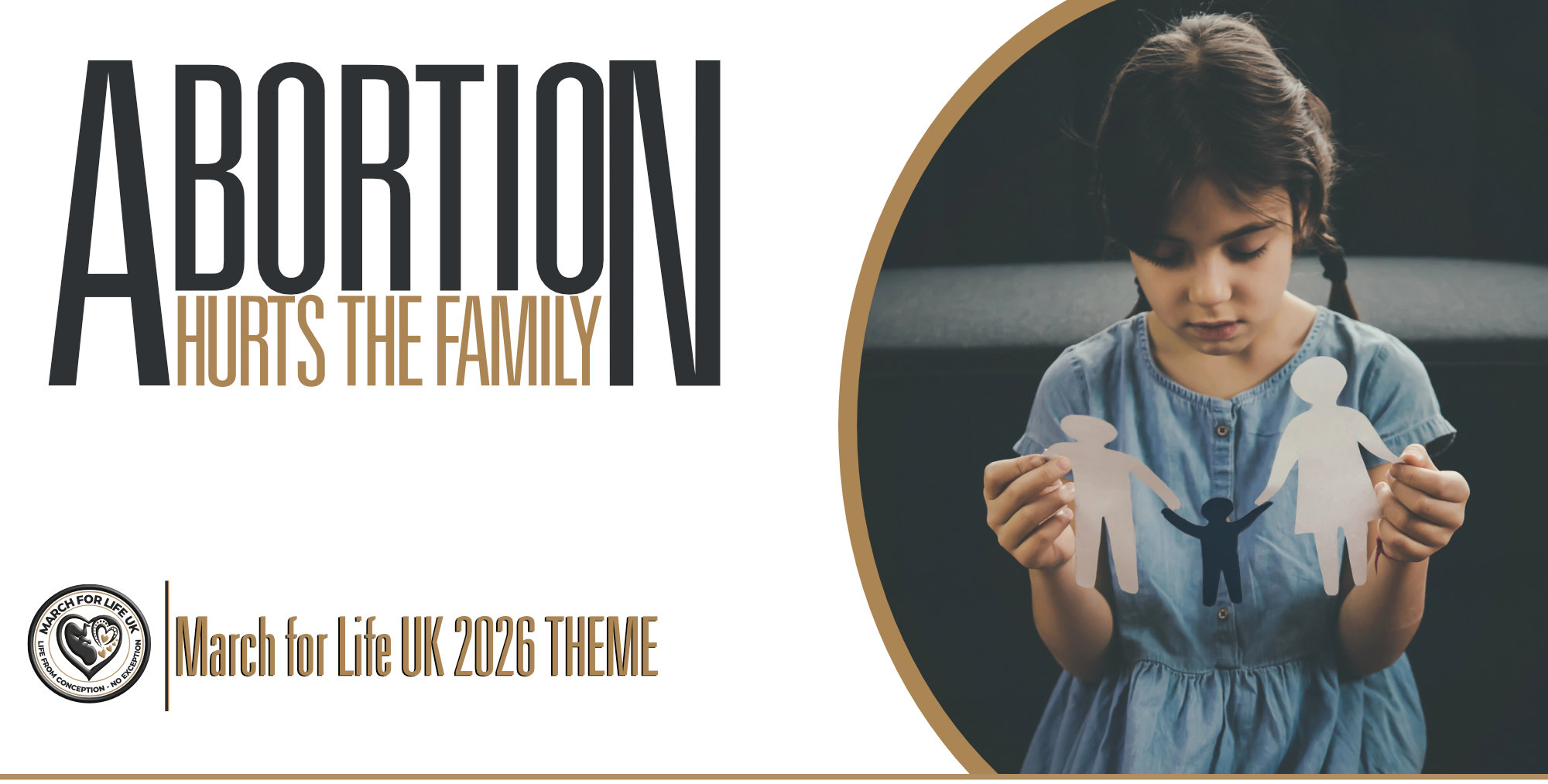
When people think about abortion, the focus is usually on the mother and the baby, and rightly so, as they are directly involved. But after 58 years of legalised abortion in the UK, we have seen more clearly that the impact doesn’t stop there. Abortion has far-reaching and often hidden consequences for the whole family.
In recent years, more men have found the courage to speak about the loss of their child – those who were complicit in an abortion, those who failed to speak up and those who felt powerless to prevent one. Siblings have shared the reality of survivor’s guilt, or the quiet fear that love from their parents is conditional. Aunties, uncles, grandparents, and cousins can also carry their own grief at the loss of a family member they never got to meet.
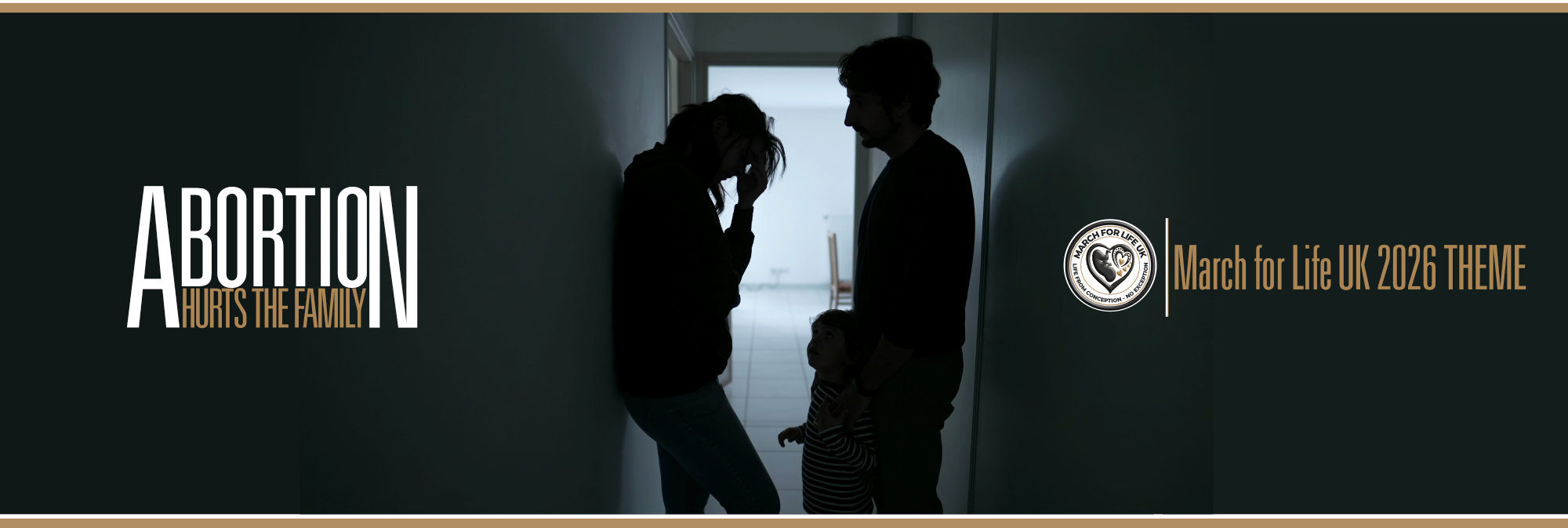
Abortion doesn’t only affect individuals though, it can damage the family as a unit. Relationships between a couple, the mother and father of the child, can be deeply harmed, sometimes irreparably. This shouldn’t surprise us really as taking the life of a child is a poor foundation on which to build a relationship.
All of this is made worse by the reluctance – or outright refusal – in wider society to acknowledge what is really happening. The grief, shame, sadness, confusion, guilt, anxiety, emptiness, or anger that can follow abortion are frequently minimised or denied altogether. When pain isn’t acknowledged, it’s much harder to find healing.
One of the first steps towards healing is simply recognising that the hurt exists. Many women and men may not yet view abortion through a moral lens, or feel able to express regret, but they are still aware of a deep, unresolved pain within themselves. That pain is often shared by their wider family, who are also grieving the loss of a sibling, grandchild, niece, nephew, or cousin.
Through the theme for 2026 we want to help bring this reality into the light. We want to raise awareness of how abortion wounds families, damages relationships, and leaves many people suffering in silence. Furthermore, we want to help those who carry this pain to find their voice, to feel seen, and to begin to understand why abortion is a tragedy in itself and is also something that harms the family to its very core.
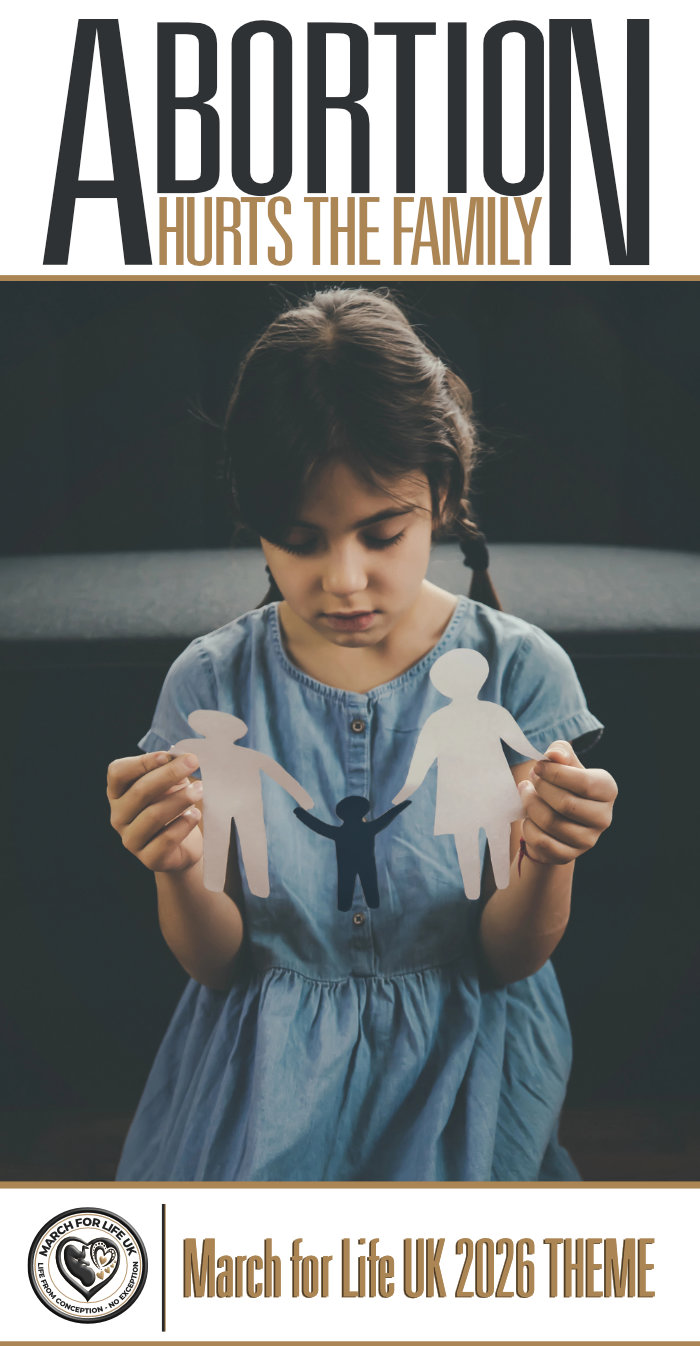
When people think about abortion, the focus is usually on the mother and the baby, and rightly so, as they are directly involved. But after 58 years of legalised abortion in the UK, we have seen more clearly that the impact doesn’t stop there. Abortion has far-reaching and often hidden consequences for the whole family.
In recent years, more men have found the courage to speak about the loss of their child – those who were complicit in an abortion, those who failed to speak up and those who felt powerless to prevent one. Siblings have shared the reality of survivor’s guilt, or the quiet fear that love from their parents is conditional. Aunties, uncles, grandparents, and cousins can also carry their own grief at the loss of a family member they never got to meet.
Abortion doesn’t only affect individuals though, it can damage the family as a unit. Relationships between a couple, the mother and father of the child, can be deeply harmed, sometimes irreparably. This shouldn’t surprise us really as taking the life of a child is a poor foundation on which to build a relationship.
All of this is made worse by the reluctance – or outright refusal – in wider society to acknowledge what is really happening. The grief, shame, sadness, confusion, guilt, anxiety, emptiness, or anger that can follow abortion are frequently minimised or denied altogether. When pain isn’t acknowledged, it’s much harder to find healing.
One of the first steps towards healing is simply recognising that the hurt exists. Many women and men may not yet view abortion through a moral lens, or feel able to express regret, but they are still aware of a deep, unresolved pain within themselves. That pain is often shared by their wider family, who are also grieving the loss of a sibling, grandchild, niece, nephew, or cousin.
Through the theme for 2026 we want to help bring this reality into the light. We want to raise awareness of how abortion wounds families, damages relationships, and leaves many people suffering in silence. Furthermore, we want to help those who carry this pain to find their voice, to feel seen, and to begin to understand why abortion is a tragedy in itself and is also something that harms the family to its very core.